
China is shifting to overt disinformation operations against Japan using state-linked channels. On 28 November 2025, ASPI and Japan Nexus Intelligence reported that Chinese state media and diplomatic social media accounts intensified efforts to erode Japan’s standing as an Indo-Pacific defence partner. The article begins:
Chinese state media and diplomatic social media accounts intensified efforts to erode Japan’s standing as an Indo-Pacific defence and security partner in 2025, research by Japan Nexus Intelligence and ASPI shows. Whereas earlier campaigns relied heavily on covert, coordinated and inauthentic networks, the latest findings reveal a shifting threat: Beijing is increasingly using overt, state-linked channels to push destabilising messaging into the regional information environment. This shift serves several purposes. Overt messaging allows China to project its narratives with greater scale, legitimacy and weight, especially when targeting governments, local elites and media ecosystems in Southeast Asia and the Pacific.
Key Points
- References to the Chinese People’s War of Resistance Against Japanese Aggression and the World Anti-Fascist War surged to about 780,100 on X and in news coverage between January and October, up from around 16,800 in 2024, with a peak around China’s 3 September Victory Day parade.
- Chinese embassies in Fiji, the Philippines, and Australia amplified China Daily, Xinhua, and People’s Daily Online articles criticising Japan’s historical conduct, with the Manila embassy stating the people of China and the Philippines fought shoulder to shoulder against Japanese aggressors during WWII.
- China Military Online described Japan’s Talisman Sabre exercise participation as enhancing offensive military capabilities through regular participation in exercises, arguing that the activity undermined peace and stability in Indo-Pacific and endangered the post-war international order.
- Following Tokyo’s announcement of 60 billion yen in aid at the 2024 Pacific Islands Leaders Meeting, Chinese analysts claimed Japan’s actions would not bring true security and would only trigger countermeasures, with Xinhua accusing Japan and the US of militarising the region.
Chinese Influence Operations in Asia: AI Disinformation and Election Interference
Chinese influence operations across Asia have intensified through AI-powered disinformation, election interference, and systematic cultivation of local elites. Beijing deploys artificial intelligence platforms like GoLaxy to develop realistic social media profiles and psychologically profile individuals vulnerable to manipulation, with campaigns extending from India’s border states to the Maldives, Nepal, and Bangladesh.
In the Philippines, Chinese operations blur the line between influence-peddling and espionage. The National Security Council confirmed evidence of state-sponsored information operations targeting the May 2025 midterm elections, with investigators linking pro-Duterte fake news accounts to Beijing-backed networks. Tech analysis firm Cyabra found approximately one-third of all pro-Duterte accounts on X were inauthentic, while deepfake content targeted President Marcos with fabricated audio and video. Beyond digital tactics, Beijing has transformed sister city arrangements into strategic footholds in provinces near Taiwan, leveraging the Filipino-Chinese diaspora through United Front Work Department operations.
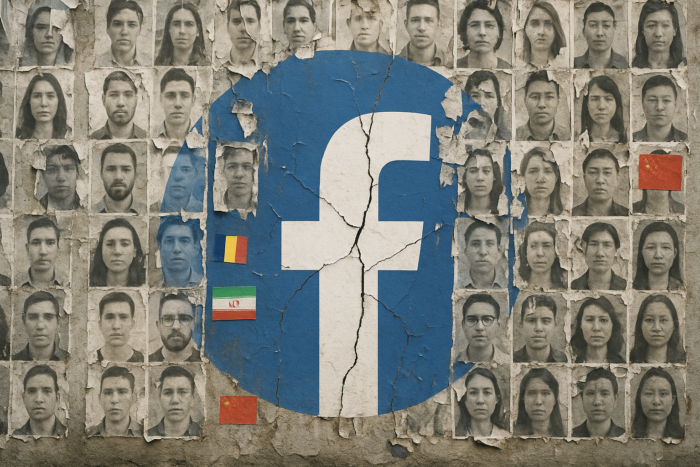
India faces a distinct challenge given its minimal Chinese diaspora. Beijing has adapted by deploying AI translation technology to convert posts from Chinese to English or Bengali while cultivating sympathetic media figures and funding university centers that promote narratives blaming the United States for bilateral tensions. Meta has disclosed at least two major fake account networks since 2023, targeting India’s government and military over border issues. A September 2025 report from The Diplomat documented how Meta removed 157 Facebook and 17 Instagram accounts targeting Myanmar, Taiwan, and Japan, with accounts posing as local citizens while criticizing civil resistance to Myanmar’s junta.
Cambridge University researchers note that AI-generated deepfakes heavily influenced the Philippines’ May 2025 elections, with the country earning the label “patient zero” in the global disinformation epidemic. CSIS testimony before Congress emphasized that United Front Work Department efforts in Southeast Asia warrant greater attention from U.S. experts and intelligence agencies.
External References:
• For Beijing’s Foreign Disinformation, the Era of AI-Driven Operations Has Arrived — The Diplomat
• Disinformation by design: leveraging solutions to combat misinformation in the Philippines’ 2025 election — Cambridge University Press
• Chinese Influence Activities with U.S. Allies and Partners in Southeast Asia — CSIS
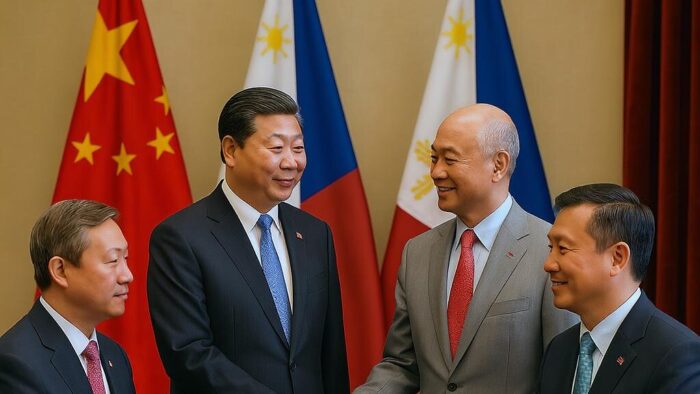
Disclaimer: The Global Influence Operations Report (GIOR) utilizes AI throughout the posting process, including the generation of summaries for news items, introductions, key points, and, often, the “context” section. We recommend verifying all information before use. Additionally, all images are generated using AI and are intended solely for illustrative purposes. While they represent the events or individuals discussed, they should not be interpreted as real-world photography.









 PREVIOUS POST