
Romania’s Constitutional Court annulled the first round of the presidential election due to extensive Russian interference. On 9 December 2025, the Institute of International and European Affairs reported that Romania’s court annulled the November 2024 results after investigations uncovered over 85,000 cyberattacks against Romanian electoral infrastructure and massive TikTok manipulation. The article begins:
Romania’s most recent presidential election marked the most severe electoral disruption in the country’s post-communist history. The crisis, caused by large-scale foreign interference, AI-driven disinformation, and deep domestic polarisation, culminated in the annulment of the November 2024 first-round vote and the organisation of a new election in May 2025. The eventual victory of Nicușor Dan, a pro-European independent reformer, restored a measure of democratic legitimacy but also exposed enduring vulnerabilities in Romania’s political system.
Read more: https://www.iiea.com/blog/romanias-20242025-presidential-election-crisis-and-its-aftermath
Key Points
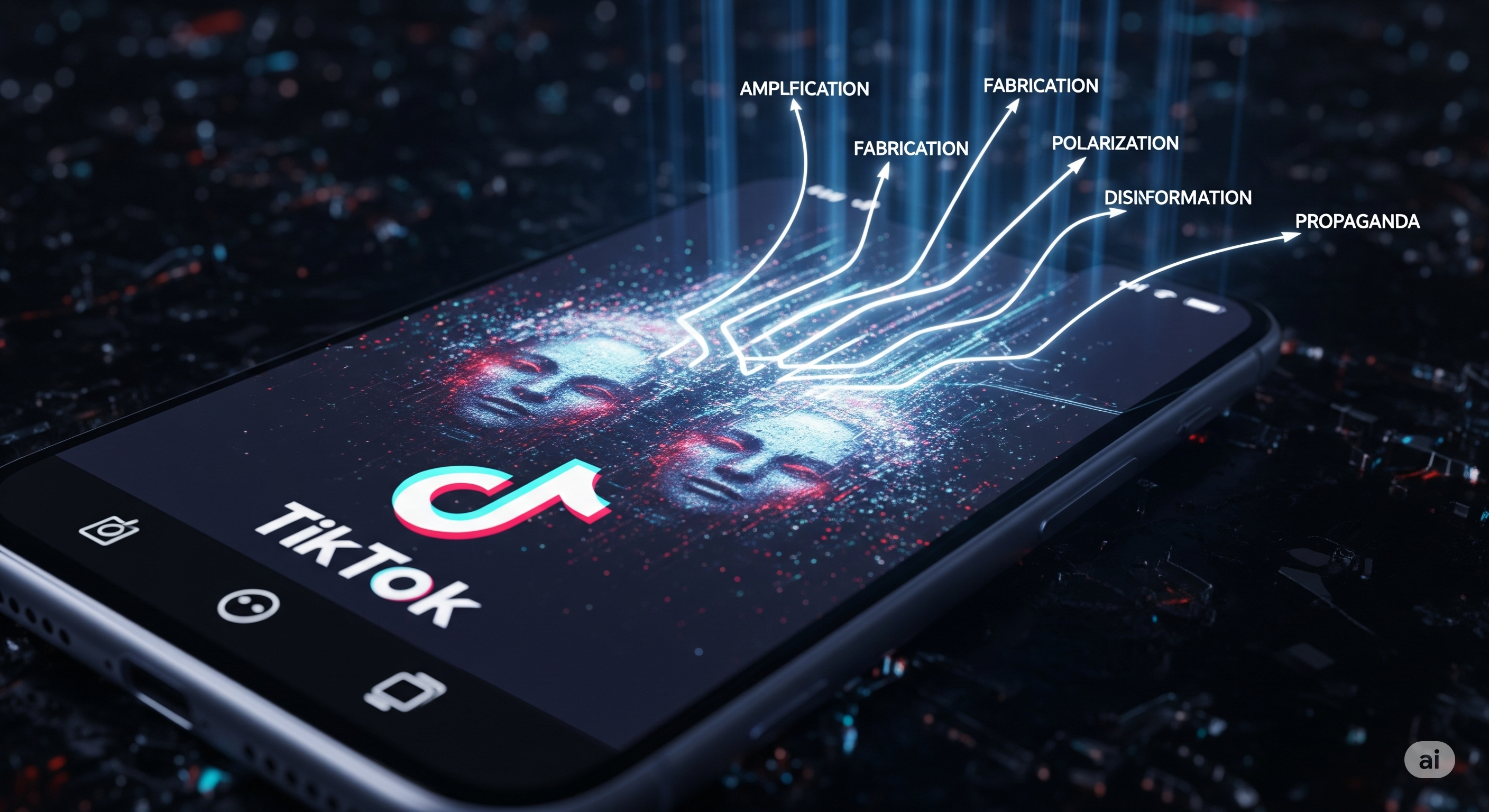
- November 2024 first round won by Călin Georgescu, fringe ultranationalist anti-EU pro-Moscow candidate with approximately 23 percent despite polling under 5 percent days earlier, with a campaign driven by massive viral activity, including around 150 million TikTok views in two months.
- Romanian state security council investigations uncovered extensive cyberattacks, including over 85,000 attacks against electoral IT infrastructure, with coordinated amplification through AI-generated content, bot networks, troll farms, Telegram channels, and stolen election-server credentials found on Russian forums.
- Constitutional Court annulled first-round results on 6 December 2024, citing overwhelming evidence that the election’s integrity was compromised, determining the scale and sophistication of manipulation, including unreported digital campaigning and foreign-sponsored disinformation, made validating the vote impossible in an unprecedented act.
- Rerun election held May 2025 won by pro-European independent Nicușor Dan with 53.6 percent in runoff against ultranationalist George Simion who captured 41 percent in first round, demonstrating depth of popular discontent rooted in corruption fatigue, inflation, and distrust of elites.
Russian Influence Operations in Romania: Kremlin Election Interference and Strategic Defeat
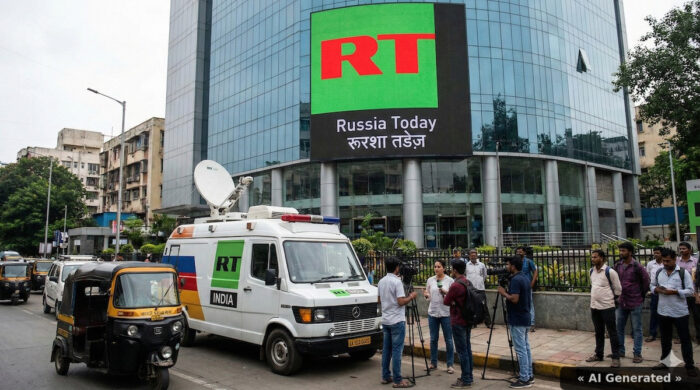
Romania has emerged as a primary target for Russian influence operations, though the Kremlin’s campaign ultimately suffered a strategic defeat when pro-European forces prevailed in the May 2025 presidential election. Romania’s General Prosecutor confirmed in September 2025 that the 2024 election was influenced by large-scale Russian hybrid warfare involving cyber activity, AI-generated disinformation, and coordinated online manipulation through bots and troll farms. Romanian intelligence services uncovered a massive TikTok-based interference campaign that propelled previously unknown far-right candidate Călin Georgescu to a first-round victory. The operation involved $381,000 in undisclosed payments and 85,000 attempted hacks targeting electoral systems, prompting the Constitutional Court to take the unprecedented step of annulling the results.
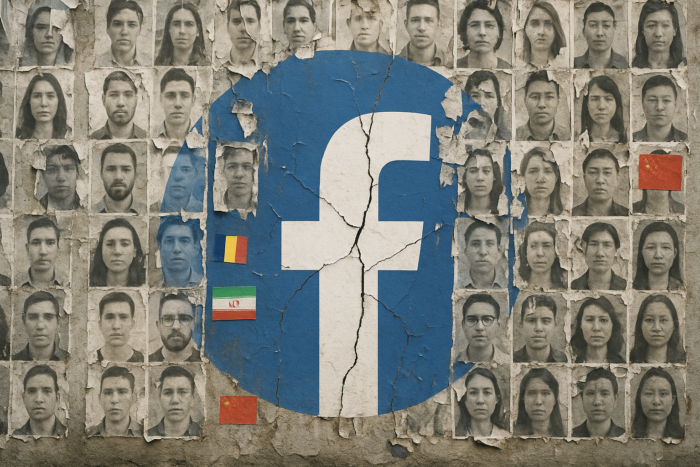
Russian influence extends through coordinated Telegram channel networks spreading Kremlin propaganda. Research by OpenMinds documented 48 Romanian-language Telegram channels consistently disseminating pro-Russian content, with over 4,000 unique reposts from Russian sources averaging 103 propaganda messages monthly. These channels promoted far-right candidate George Simion and the Alliance for the Union of Romanians (AUR), a national conservative party. The election annulment marked the first such action in EU history. Meta subsequently disrupted influence operations in Romania involving 658 Facebook accounts using proxy infrastructure to conceal origins.
The operations also exploit culture war themes disseminated through Hungarian networks. Western academics have appeared at the Mathias Corvinus Collegium facility in Cluj-Napoca, promoting narratives about rejecting Western “wokism” and turning toward Moscow. Romanian lawmakers initiated legislation mirroring Hungary’s and Russia’s anti-LGBTQ laws. Investigators identified four Russia-linked firms orchestrating propaganda spanning identity, religion, and conspiracy themes. Despite these sustained efforts, Romania’s intelligence services, in cooperation with NATO and EU partners, successfully countered the disinformation and the pro-Western candidate secured a decisive victory.
External References:
• Romania annulled its presidential election results amid alleged Russian interference — Atlantic Council
• What happened on TikTok around the Romanian elections? — Global Witness
• EU to Investigate TikTok Over Romania’s Cancelled Presidential Elections — OCCRP
Disclaimer: The Global Influence Operations Report (GIOR) utilizes AI throughout the posting process, including the generation of summaries for news items, introductions, key points, and, often, the “context” section. We recommend verifying all information before use. Additionally, all images are generated using AI and are intended solely for illustrative purposes. While they represent the events or individuals discussed, they should not be interpreted as real-world photography.









 PREVIOUS POST